
About PGD / PGS Testing
Preimplantation Genetic Diagnosis (PGD) and Preimplantation Genetic Screening (PGS) are advanced techniques offered at Rooh Al-Hayat to assess the genetic health of embryos before transfer. These tests are performed as part of an IVF cycle to help increase the chances of a successful pregnancy and reduce the risk of inherited conditions.
What’s the Difference Between PGD and PGS?
PGD is used when one or both genetic parents carry a known genetic mutation. It identifies specific disorders like thalassemia, cystic fibrosis, or chromosomal translocations.
PGS (now also called PGT-A) screens embryos for overall chromosomal normality, helping select the healthiest embryos for transfer – especially helpful for older patients or those with repeated IVF failure.
Who Can Benefit from Genetic Testing?
Couples with a known genetic condition
Women over 35 undergoing IVF
Patients with a history of miscarriage
Couples with unexplained infertility
Previous failed IVF cycles
Candidates for gender selection (if ethically approved)
How the Process Works
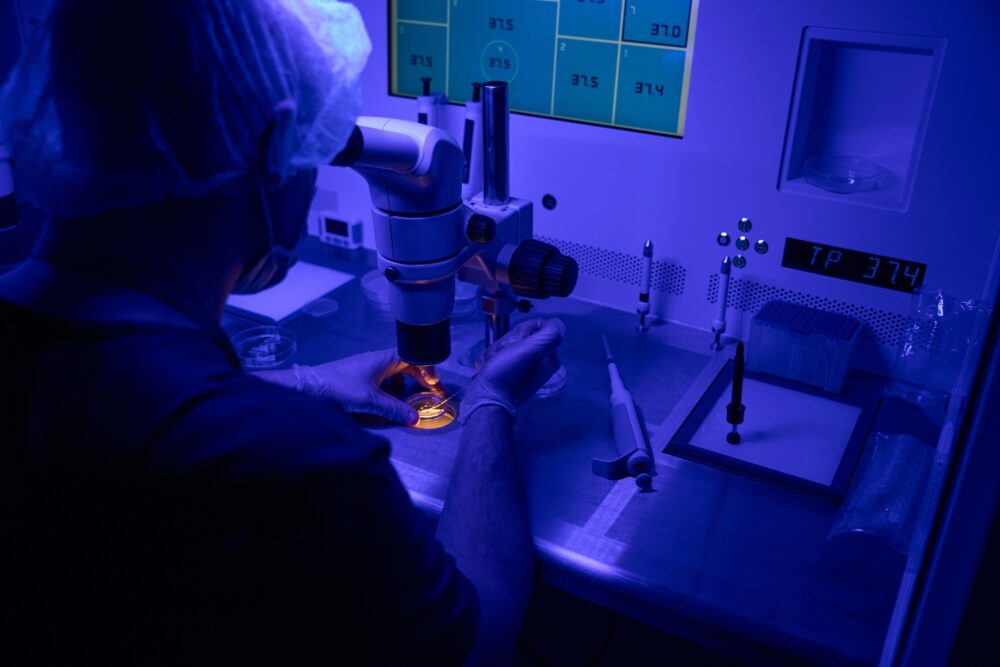
PGD/PGS testing is performed after fertilization, but before embryo transfer. A few cells are biopsied from the embryo on day 5 or 6 of development and sent for genetic analysis. Only chromosomally normal embryos are selected for transfer – increasing implantation chances and reducing miscarriage risks.